Understanding Column Repair Costs
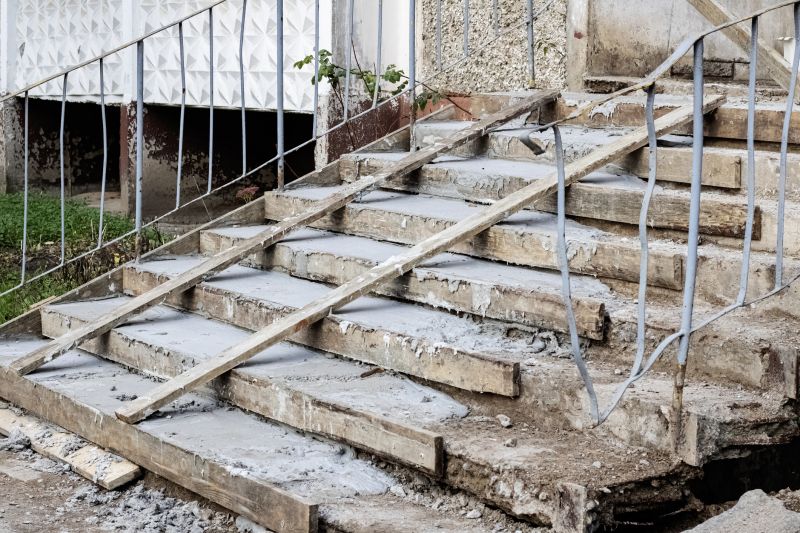
Different materials like concrete, steel, or composite influence repair costs based on their durability and replacement requirements.
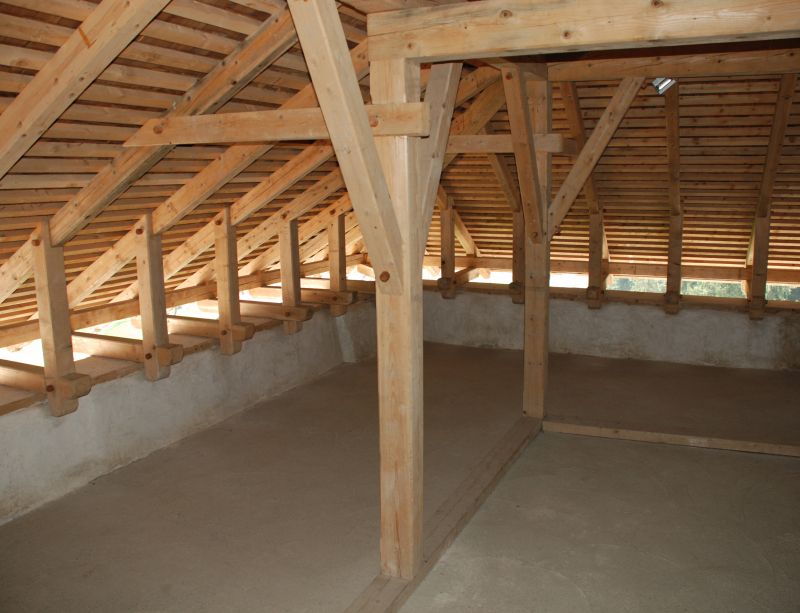
Larger or hard-to-access columns typically incur higher repair expenses due to increased labor and equipment needs.
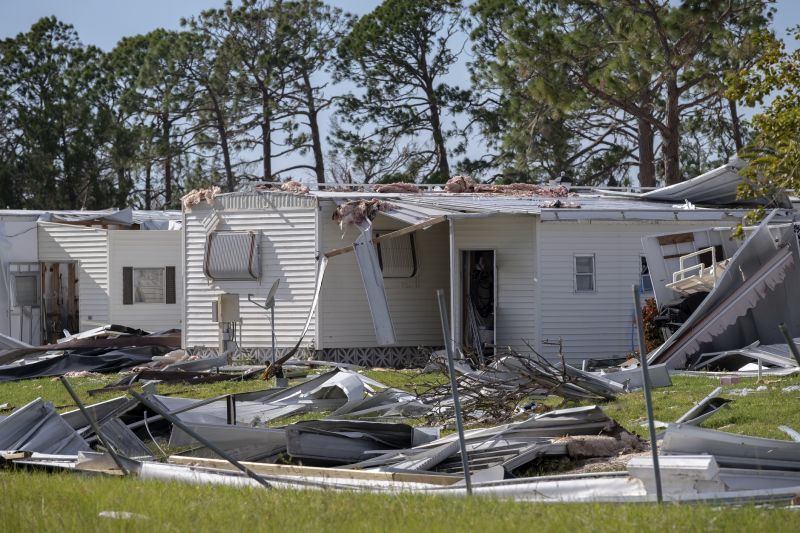
Severe or widespread damage necessitates extensive repairs, affecting overall costs significantly.
| Factor | Impact on Cost |
|---|---|
| Material Type | Higher-quality materials increase expenses |
| Column Size | Larger columns require more materials and labor |
| Damage Severity | More extensive damage raises repair costs |
| Location Accessibility | Hard-to-reach areas add to labor costs |
| Repair Method | Advanced techniques may increase expenses |
| Site Conditions | Unfavorable conditions can lead to additional costs |
| Permitting Requirements | Regulatory approvals may add to expenses |
Additional considerations include the choice of repair materials, the complexity of the repair method, and site-specific conditions. Costs can also fluctuate depending on regional labor rates and material availability. A detailed evaluation helps in developing an accurate budget and selecting the most efficient repair approach.

Assessing internal damage helps determine repair scope and cost.
Proper surface prep is vital for effective repairs and influences costs.
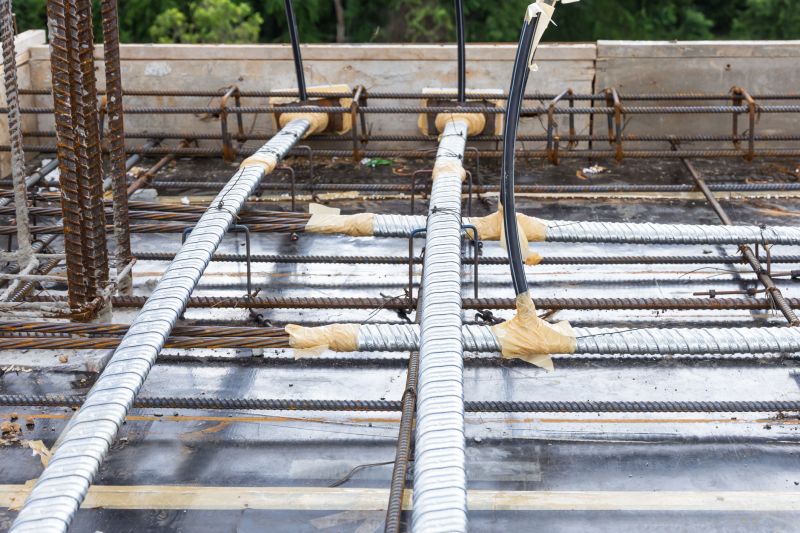
Adding reinforcement can add to project expenses depending on complexity.
| Service | Average Cost Range |
|---|---|
| Column Crack Repair | $500 - $2,500 |
| Structural Reinforcement | $2,000 - $8,000 |
| Column Replacement | $5,000 - $20,000 |
| Corrosion Treatment | $1,000 - $4,000 |
| Surface Coating | $1,200 - $3,500 |
| Foundation Stabilization | $3,000 - $15,000 |
| Epoxy Injection | $600 - $2,000 |
| Concrete Jacketing | $4,000 - $12,000 |
| Column Jacking and Lifting | $10,000 - $30,000 |
| Post-tensioning Repair | $6,000 - $18,000 |